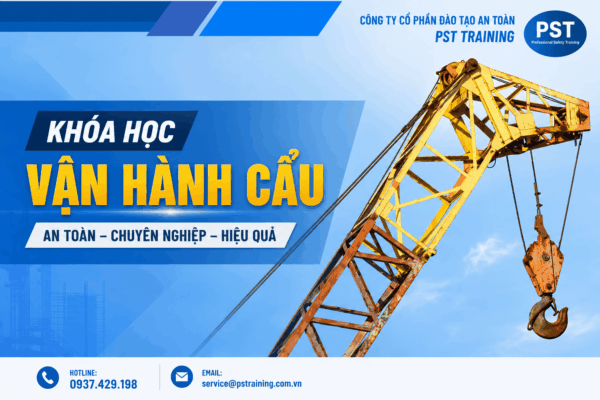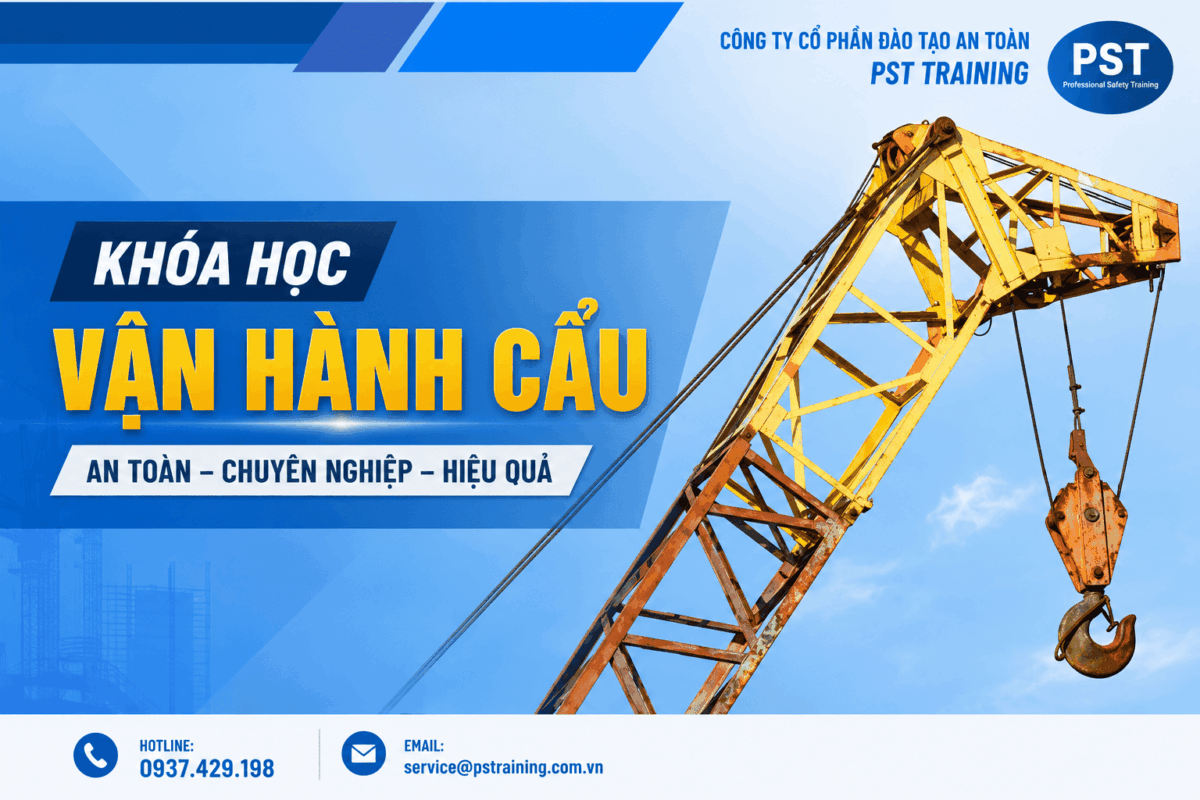
The Crane Operator Training Course is designed to provide participants with the technical knowledge, practical skills, and essential safety principles required to operate cranes efficiently, meeting both industry requirements and current regulations.
Overview of the Crane Operator Training Course
Crane operation is a highly specialized technical profession that requires workers to possess comprehensive knowledge, practical skills, and hands-on experience. Professional crane operators play a vital role in ensuring smooth and efficient production and operational processes within organizations.
This training program has been developed to equip participants with the technical knowledge, practical competencies, and real-world experience necessary to perform effectively in modern industrial environments.
Through a structured training curriculum, participants will gain a thorough understanding of crane operating principles, operational procedures, safety requirements, and professional lifting techniques.
The combination of theoretical instruction and practical exercises enables participants to enhance their professional capabilities, improve employment opportunities, and meet the workforce demands of various industries, including manufacturing, construction, ports, and the oil & gas sector.
The course can be tailored to suit different levels of participants, from beginners entering the profession to experienced personnel seeking to advance their expertise.
See also: Where to Find Reputable Overhead Crane Operator Training
Why Join the Crane Operator Training Course?
This course equips participants with the knowledge, skills, and practical experience required to work effectively with lifting equipment.
In addition, cranes and lifting devices are classified as equipment subject to strict occupational safety requirements. Crane operators must receive proper training and obtain appropriate certifications before carrying out lifting operations.
Upon successful completion of the training program, participants may obtain certifications relevant to their job requirements, such as:
- Crane Operator Certificate under Continuing Vocational Training Programs
- Occupational Safety and Health (OSH) Group 3 Certificate – Crane Operation Safety Module
- Advanced Crane Operator / Offshore Crane Operator Certificate
- Supervisor / Senior Crane Operator Certificate
Target Participants
This course is suitable for:
Beginners
Individuals with little or no crane operating knowledge who require fundamental training to meet job requirements.
Existing Workers
Personnel who need additional certifications to comply with regulations or company requirements.
Experienced Operators
Individuals seeking to update and enhance their knowledge and practical skills to work more safely and efficiently.
Course Objectives
Upon successful completion of the course, participants will be able to:
- Understand legal requirements related to lifting operations.
- Identify the roles and responsibilities of personnel involved in lifting activities.
- Recognize workplace hazards and conduct risk assessments.
- Properly prepare loads before lifting operations.
- Inspect work areas and ensure safe access routes.
- Understand and correctly use lifting accessories and equipment.
- Inspect lifting gear and identify common defects and damages.
- Apply standard crane hand signals correctly.
- Operate cranes safely in accordance with established procedures.
Crane Operator Training Course Content
At PST Training, the curriculum is developed by industry experts based on actual business requirements and vocational training regulations. The program combines theoretical learning and practical application to maximize post-training effectiveness.
1. Theoretical Training
- Regulations and safety standards related to lifting operations.
- Safety requirements for cranes in industrial operations.
- Roles and responsibilities of personnel involved in lifting activities.
- Introduction to lifting equipment and accessories.
- Technical specifications and safety warnings.
- Pre-operation equipment inspection procedures.
- Hazard identification in lifting operations.
- Risk assessment and preparation of risk assessment documents.
- Common lifting accidents and lessons learned.
- Risk control measures.
- Lifting Plans.
- Permit to Work (PTW).
- Toolbox Meetings.
- Communication methods and crane signaling.
- Personal Protective Equipment (PPE).
- Emergency response procedures.
2. Practical Training
- Inspection of lifting accessories and rigging equipment.
- Identification of common defects and equipment damage.
- Conducting pre-job safety meetings.
- Tag line handling exercises.
- Crane signaling practice.
- Chain hoist operation.
- Crane operation practical exercises.
- Real-life lifting operation scenarios.
Benefits of Training with PST Training
PST Training is a reputable training provider with extensive experience in technical, safety, and workforce competency development programs.
- Trusted by numerous domestic and international companies as a long-term training partner.
- Dedicated customer service and consultation team providing prompt support throughout the registration and training process.
- Complete training records, certificates, and documentation prepared in compliance with applicable regulations.
- Transparent training policies, pricing, and operational procedures, providing confidence and reliability for clients.
- Training programs designed to meet actual industry needs, combining theoretical knowledge with practical application.
- Highly experienced instructors with extensive field expertise and all required qualifications and certifications.
Register for the Offshore Crane Operator Course at PST Training
If you are looking for a professional, practical crane operator training course that meets industry recruitment requirements, PST Training is a reliable and trusted partner for enhancing workforce competence in lifting and crane operations.
Contact us today via our HOTLINE for more information and course registration.